Source Violin Case Options for Schools, Travel, and Storage
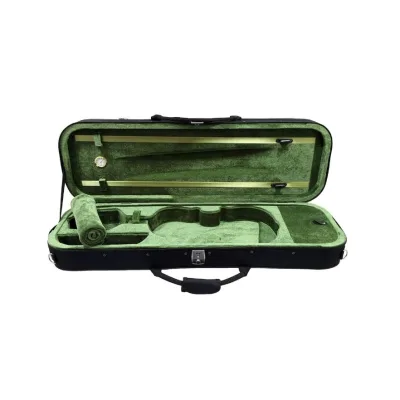
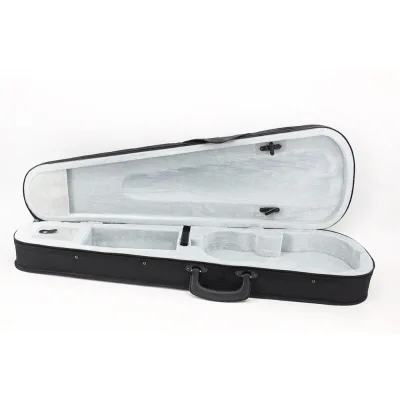
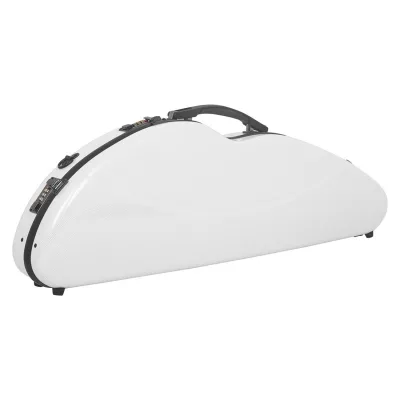
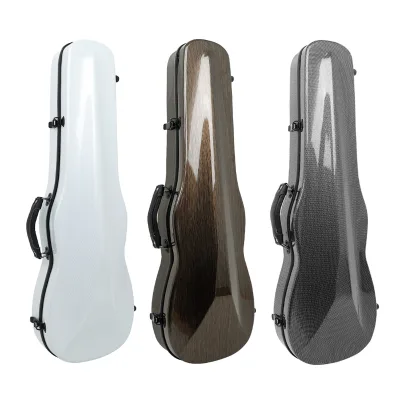
Find 30 Violin Case models suitable for students, musicians, and collectors. Compare features like Oxford exterior, foam triangle padding, and custom logo printing to select the right protection for your instrument needs.
Key considerations
Products List



$34.00 - $38.50
MOQ: 10 Pieces






Comprehensive Sourcing Guide
Violin Case Sourcing Guide
Sourcing violin cases requires a careful balance between protective performance, aesthetic customization, and commercial viability. The market offers a wide array of options, ranging from basic soft-sided bags to robust hard-shell containers, each serving distinct user needs from student practice to professional touring. Buyers must navigate a landscape where product attributes vary significantly by model and manufacturer, necessitating a disciplined approach to specification verification. This guide outlines the critical factors for evaluating Violin Case suppliers, ensuring that procurement decisions align with both functional requirements and brand identity goals.
The following sections provide a structured framework for assessing Violin Case listings, verifying technical details, and managing supplier relationships. By focusing on observable data points and standard industry practices, buyers can mitigate risks associated with quality inconsistencies and hidden costs. The guidance herein is designed to support informed decision-making, emphasizing the importance of clear communication, rigorous quality control, and long-term partnership development in the musical instrument accessories sector.
Product Scope and Observed Listing Signals
The current market for violin cases presents a diverse range of products, with observed listings indicating a price range of $4.6 to $350 USD and minimum order quantities (MOQs) spanning from 1 to 100 units. This wide variance suggests a market segmented by material quality, brand positioning, and customization depth. Lower-priced items often correspond to basic soft-sided cases with minimal protective features, while higher-priced options typically involve more durable materials, enhanced shock absorption, and complex manufacturing processes. Buyers should interpret these price points as indicators of potential quality tiers rather than absolute value judgments, recognizing that cost correlates with material density, hardware quality, and labor intensity.
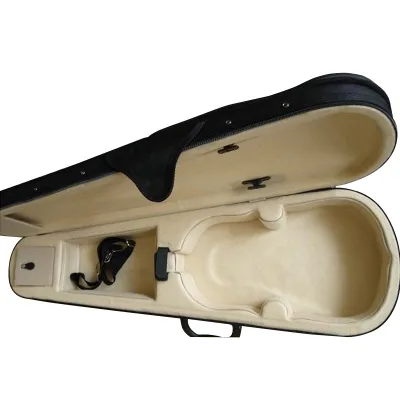
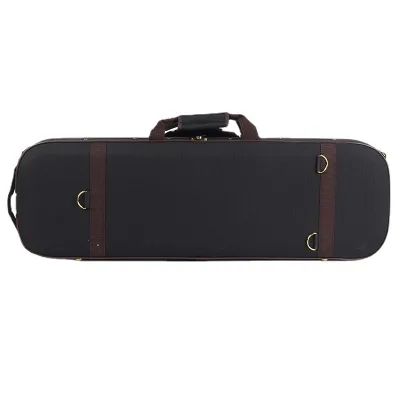
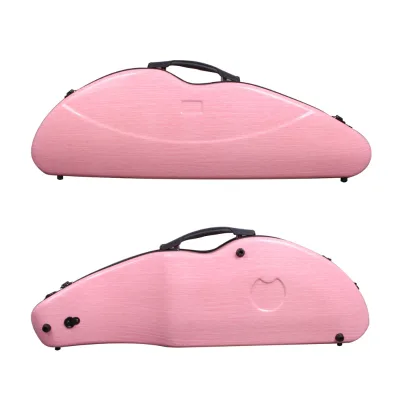
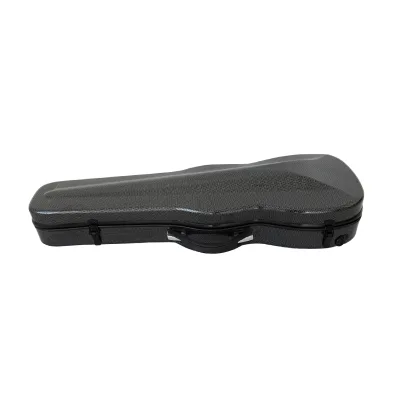
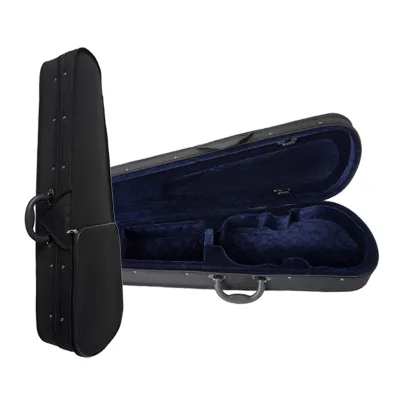
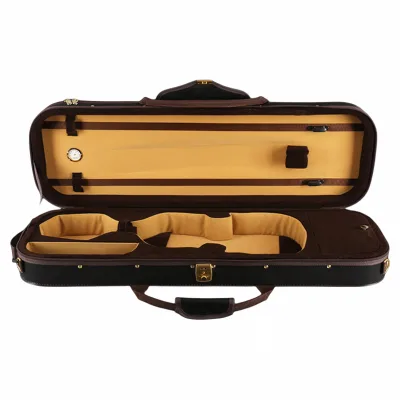
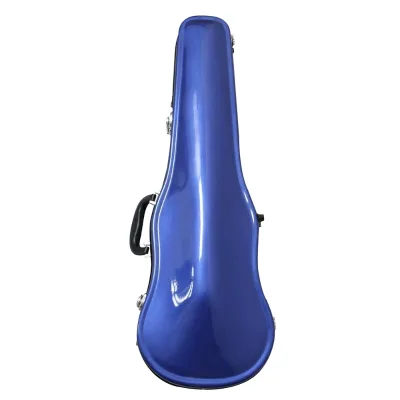
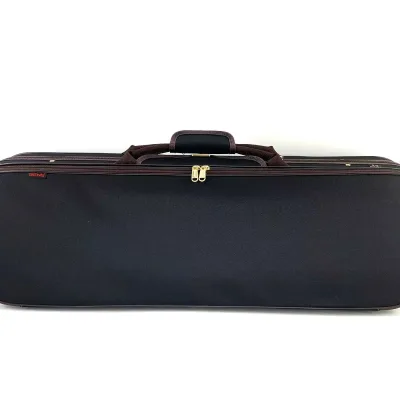
Observed product attributes reveal a strong emphasis on customization and branding opportunities. Many suppliers offer OEM and ODM services, allowing buyers to apply custom logos and select from various color palettes, including black, red, and interior options like grey, blue, green, and cream. The product shape is predominantly rectangular, designed to fit standard violin dimensions, with sizes ranging from 1/16 to 4/4, catering to both child students and adult professionals. Additionally, features such as matte finishes, plastic handles, and specific interior linings like flannelette or polyester are common, providing tactile and visual differentiation. These signals indicate that buyers have significant flexibility in tailoring products to their target audience’s preferences.
Technical Specifications to Verify
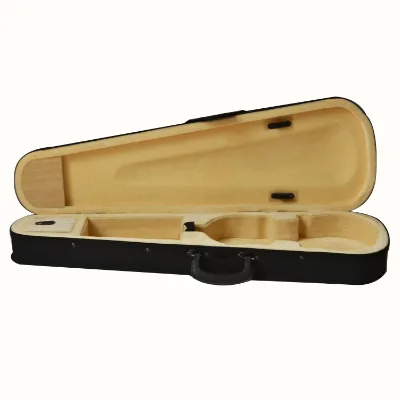
Verifying technical specifications is crucial to ensuring that the Violin Case meets the functional demands of its intended use. Key attributes to confirm include the exterior material, which is often listed as Oxford fabric, and the interior lining, which may be flannelette or polyester for cushioning. The hardness of the case, described as medium soft, suggests a balance between flexibility and protection, suitable for general transport but potentially less robust for extreme impacts. Buyers must also verify the presence of protective features such as foam triangles or other shock-absorbing structures, which are critical for safeguarding the instrument during transit. The weight of the case, observed at approximately 2kg, is another important factor, as lighter cases are preferred for portability, especially for students and traveling musicians.
Model numbers and size specifications vary across suppliers, with codes such as FB-013, VFC-010, and VFC-01A appearing in listings. It is essential to cross-reference these model numbers with the actual product dimensions and compatibility with specific violin sizes, such as 4/4, 3/4, 1/2, and smaller fractions. The single package size and packing details, often listed as standard cartons containing multiple units (e.g., 6PCS/Carton), impact logistics and storage efficiency. Buyers should request detailed dimensional data and material composition reports to ensure that the case’s structural integrity aligns with the instrument’s value and the user’s handling habits. Additionally, the absence of batteries and the non-waterproof nature of many cases should be clearly understood, as these factors influence the case’s suitability for different environmental conditions.
Compliance and Safety Documentation
While specific certification statuses are not universally disclosed in all listings, buyers should proactively request documentation related to material safety and manufacturing standards. For violin cases, this may include compliance with international standards for textile materials, such as REACH or CPSIA, depending on the target market and the presence of children in the user base. Buyers should verify that the materials used, including the Oxford fabric, flannelette lining, and foam components, are free from harmful substances and meet relevant safety regulations. This is particularly important for cases intended for student use, where durability and non-toxicity are paramount.
Additionally, buyers should inquire about the supplier’s adherence to quality management systems, such as ISO 9001, which can indicate a structured approach to production consistency and defect reduction. Although not all suppliers may publicly display these certifications, requesting proof of compliance can serve as a filter for reliable partners. Buyers should also consider the environmental impact of the materials, asking about the recyclability of the packaging and the sustainability of the manufacturing processes. This due diligence helps mitigate legal risks and aligns the procurement strategy with corporate social responsibility goals, ensuring that the violin cases meet both functional and ethical standards.
Cost Drivers and Commercial Terms
The cost of violin cases is influenced by several key drivers, including material selection, customization complexity, and order volume. The use of high-quality Oxford fabric, durable zippers, and specialized interior linings like flannelette increases production costs, while simple designs with minimal branding remain more economical. Customization options, such as logo printing and color variations, add to the per-unit cost due to setup fees and additional labor. Buyers should negotiate pricing based on clear volume tiers, leveraging the observed MOQ range of 1 to 100 units to secure favorable terms. Understanding the breakdown of costs helps in budgeting and identifying areas where savings can be achieved without compromising quality.
Commercial terms, including payment methods, lead times, and shipping arrangements, are critical components of the procurement process. Buyers should clarify the supplier’s production lead time, especially for customized orders, to ensure alignment with inventory needs and market demand. Payment terms, such as deposits and balance payments upon shipment, should be negotiated to balance risk and cash flow. Additionally, the packing method, often standard cartons, affects shipping costs and handling efficiency. Buyers should consider the total landed cost, including freight, duties, and insurance, to make accurate financial projections. Clear communication of these terms prevents misunderstandings and ensures a smooth transaction process.
Supplier Qualification and Quality Control
Evaluating supplier qualifications is essential for establishing a reliable supply chain for violin cases. Buyers should assess the supplier’s manufacturing capabilities, including their facility size, equipment, and workforce expertise. Suppliers with a history of producing musical instrument accessories are likely to have a better understanding of the specific requirements for violin cases, such as fit, protection, and durability. Requesting samples is a critical step in this evaluation, allowing buyers to physically inspect the product’s construction, material quality, and finish. The observed features, such as the matte finish and plastic handles, should be verified against the sample to ensure consistency with the listing descriptions.
Quality control measures should be clearly defined and agreed upon before production begins. Buyers should establish acceptance criteria for defects, such as stitching errors, material imperfections, or functional issues with zippers and handles. Implementing a pre-shipment inspection process can help identify and rectify issues before the goods are dispatched. Suppliers who offer OEM/ODM services should demonstrate their ability to maintain quality across customized orders, ensuring that branding and design elements are executed precisely. Building a relationship with a supplier who prioritizes quality control reduces the risk of receiving substandard products and enhances the overall customer experience for the end-user.
Long-Term Procurement Checks
Establishing long-term procurement checks ensures sustained quality and reliability in the supply of violin cases. Regular audits of the supplier’s production processes and quality management systems can help identify areas for improvement and maintain high standards. Buyers should monitor key performance indicators, such as on-time delivery rates, defect rates, and responsiveness to issues, to assess the supplier’s overall performance. Continuous feedback loops between the buyer and supplier facilitate ongoing improvement, allowing for adjustments in design, materials, or processes based on market trends and user feedback.
Additionally, buyers should stay informed about changes in industry standards, material availability, and regulatory requirements that may impact the production of violin cases. Building a diversified supplier base can mitigate risks associated with single-source dependencies, ensuring continuity of supply in case of disruptions. Long-term partnerships should be built on mutual trust and transparency, with clear communication channels and shared goals for quality and innovation. By prioritizing these checks, buyers can secure a stable supply of high-quality violin cases that meet the evolving needs of their customers and support their brand’s reputation in the market.
FAQs
What customization options are available for violin cases?
Customization is available for these violin cases, allowing buyers to request specific features. The product supports OEM and ODM services with customized logo printing options. Buyers can select from available colors like black or red to match their branding needs.
Which sizes of violin cases are offered for purchase?
The product is available in multiple sizes including 4/4, 3/4, 1/2, 1/4, 1/8, and 1/16. These specifications ensure the case fits various violin dimensions. The standard model size is listed as 4/4, but other proportions are supported for different instrument needs.
Can I find violin cases with specific interior materials?
Yes, the interior material options include polyester and flannelette for protection. The exterior is typically made of Oxford fabric with a foam triangle structure. These materials provide durability and a good handfeeling while protecting the instrument during transport.
How are the violin cases packaged for shipping?
The cases are packed in standard cartons with a selling unit of a single item. Some models come with a packing quantity of 6 pieces per carton. This ensures safe transport and easy handling for bulk orders from suppliers in China.
What is the minimum order quantity for these cases?
The minimum order quantity ranges from 1 to 100 units depending on the supplier. This flexibility allows buyers to start with small quantities or place larger orders. The specific MOQ will vary based on the customization and model selected.
Where are these violin cases manufactured?
The products originate from Guangdong and Jiangsu in China. This location indicates the manufacturing hub for these musical instrument accessories. Buyers can expect standard production capabilities from these established industrial regions in China.
Are these violin cases waterproof?
The product features are listed as both waterproof and not waterproof across different listings. Buyers should verify the specific model's waterproof status before purchase. Some models may offer water resistance while others are not designed for wet conditions.